April 25, 2026
“For decades, Economists have been studying the notion of income versus happiness. It turns out that money can buy happiness. High income people are happier than low-income people. People in rich countries are happier than people in low-income countries.” Self
The poorest countries in the world share common characteristics. Most are in Africa, many have territorial conflicts, very unstable and corrupt governments, limited infrastructure, many are land locked, and dependent on agricultural products.
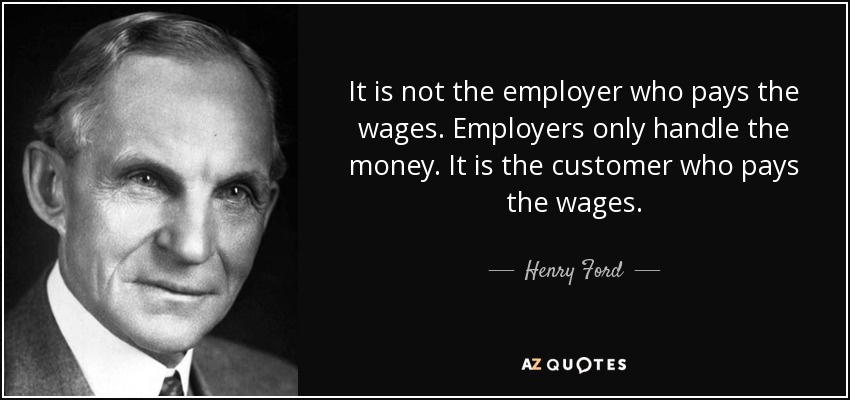
Income is usually derived from work. An employer pays you for the work you perform. But, how is the level of pay determined? The answer to that question involves many factors. Those factors, in order of importance are shown below:
- Industry-high technology pays more than retail. Financial services pays more than customer service. Hospitality is low paying. Heavy Manufacturing pays more than teaching. College teaching pays more than teaching 1st grade. Pharmaceuticals pay well.
- Function-R/D pays well, engineering and chemistry pay more than HR. Sales and Marketing employees are paid well if on commission, especially for high tech products. Accounting and Finance employees are paid the average.
- Experience-employees with 10 years’ experience make more than new hires. Many companies have career ladders to reward experienced employees. Usually, the experienced employees are assigned larger /more complicated projects.
- Education-college educated employees earn more than HS graduates. New hires with MBA’s start at higher pay levels than BS degreed employees. Tech graduates earn more than liberal arts employees. And-graduates from top rated business schools are offered higher starting salaries.
- Scope and complexity of job-employees with more responsibility earn more. They are often assigned the larger more complicated tasks. Managers of large groups earn more than team leaders.
- Performance-strong performing employees are paid better and sometimes receive bonuses. Merit pay still exists, and rightly so.
- Financial strength of company-highly successful companies pay more. They have the financial resources, and they want to retain employees. Companies that are struggling often “freeze hiring and pay increases.” Never a good sign.
- Location-employees located in New England, New York, and California are paid higher salaries than employees living in Alabama, South Carolina, or Florida. This is directly related to the cost of living.
My final thought- You never want to work for a company that pays everyone the same. There is no incentive and the more talented employees leave. The true value of an employee can be expressed algebraically: current performance + potential – hassle factor = true value.

